

Glossary
Here you can find the definitions you need to navigate today’s art market—clear explanations that make contemporary art, valuation, finance, and market dynamics easier to understand and apply.

Art Finance involves the financial tools and strategies that use artworks—especially contemporary art—as investable assets. It includes art-backed loans, valuation models, portfolio diversification, fractional ownership, and data-driven market analysis. As the contemporary art market expands, art finance helps collectors, investors, and institutions manage liquidity, assess risk, and make informed acquisition or selling decisions. Professionals evaluate auction results, provenance, market trends, and macroeconomic signals to determine an artwork’s financial potential. Blending cultural value with measurable performance metrics, art finance connects the art world with modern investment practices, enabling more transparent, structured, and strategic participation in the global art market.
Global Art Market refers to the interconnected network of galleries, auction houses, fairs, online platforms, and private sales that drive the buying and selling of artworks worldwide. It spans blue-chip masterpieces to rapidly growing contemporary art segments, influenced by collector demand, cultural trends, and global economic conditions. The market’s activity is shaped by regional hubs—New York, London, Paris, Hong Kong—and by data-driven insights such as auction results, price indices, and artist performance. As digital sales, art finance solutions, and cross-border collecting expand, the global art market continues evolving into a more transparent, competitive, and investment-aware ecosystem.

Art-Backed Loans are financing solutions that use artworks—often blue-chip or high-value contemporary art—as collateral to unlock liquidity without selling the pieces. Offered by banks, specialty lenders, and art finance firms, these loans allow collectors, galleries, and investors to access capital for acquisitions, business needs, or portfolio diversification. Valuation depends on provenance, market demand, condition, and recent auction comparables. As the contemporary art market grows more investment-driven, art-backed loans provide a flexible, discreet, and efficient way to leverage art assets. They bridge traditional finance with the art world, enabling strategic cash-flow management and long-term asset growth.
Art Lending refers to financing arrangements where artworks—often blue-chip or investment-grade contemporary art—are used as collateral to secure loans. Banks, private lenders, and specialized art finance firms offer these credit lines to collectors, galleries, and institutions seeking liquidity without selling their assets. Loan values are determined through strict valuation processes that assess provenance, market demand, condition, and recent auction performance. As the contemporary art market becomes more data-driven and global, art lending provides flexible capital for acquisitions, business operations, estate planning, and portfolio management. It effectively connects the art market with modern financial practices, supporting strategic long-term growth.
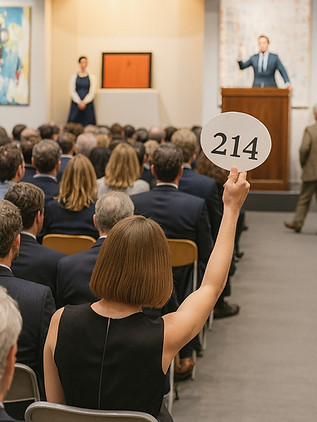
Fractional Ownership in artworks allows multiple investors to purchase shares of a single piece—often high-value contemporary art—making blue-chip assets more accessible and liquid. Through regulated platforms and art investment firms, buyers can own fractions of paintings, sculptures, or digital works while benefiting from potential market appreciation. This model democratizes art investing, lowers entry barriers, and introduces diversified portfolios based on artist performance, auction trends, and global demand. As the contemporary art market becomes increasingly financialized, fractional ownership offers a transparent, data-driven way to participate in the art economy without the costs and responsibilities of full ownership.
Art Secured Bonds are financial instruments backed by high-value artworks—often blue-chip or investment-grade contemporary art—used as collateral to issue fixed-income securities. These bonds allow investors to gain exposure to the art market while receiving predictable returns, and they provide issuers with capital for acquisitions, operations, or portfolio expansion. Collateral is evaluated through strict due-diligence, including provenance checks, condition reports, and auction comparables. As the contemporary art market grows more institutionalized, art secured bonds offer a structured, regulated, and scalable way to integrate art assets into modern investment strategies, enhancing liquidity and risk management in the art finance ecosystem.

Art Funds are investment vehicles that pool capital from multiple investors to buy, manage, and sell artworks—often focusing on blue-chip or high-growth contemporary art. Operated by specialized managers, these funds use market research, valuation models, and acquisition strategies to build diversified portfolios that target financial returns. Investors benefit from professional expertise, reduced risk through diversification, and access to artworks that may be too costly to purchase individually. As the contemporary art market becomes more data-driven and globally traded, art funds offer a structured, transparent, and scalable way to participate in art investment without handling the logistics of ownership.
Non-Fungible Tokens (NFTs) are unique digital assets recorded on the blockchain, enabling verified ownership and authenticity of artworks in the digital era. This technology has expanded the boundaries of contemporary art, allowing creators to tokenize images, videos, and conceptual works. Landmark projects include Damien Hirst’s The Currency, which merged physical painting with digital tokens, and Marina Abramović’s The Hero, which explored performance art through NFT form. NFTs offer collectors transparency, scarcity, and global accessibility, reshaping how digital and contemporary art is bought, sold, and experienced within the evolving art market ecosystem.